
Saim Ayub Returns to Domestic Cricket: PCB's Statement Is Missing the Tournament, the Format and the Return Benchmark
**मुख्य उत्तर:** पाकिस्तान क्रिकेट बोर्ड ने साइम अयूब को चालू त्रिकोणीय सीरीज़ के शेष भाग से रिलीज़ कर दिया है, ताकि वे घरेलू क्रिकेट में बल्लेबाज़ी फॉर्म और आत्मविश्वास बहाल कर सकें। बयान में घरेलू प्रतियोगिता का नाम, फॉर्मेट और वापसी का मापदंड घोषित नहीं किया गया है। **मुख्य तथ्य:** - साइम अयूब श्रीलंका के खिलाफ 27 अक्टूबर (मंगलवार) के मुकाबले और त्रिकोणीय सीरीज़ के फाइनल, दोनों से बाहर रहेंगे। - पाकिस्तान लगातार तीन जीत के साथ फाइनल में पहुंच चुका है; मुकाबला गद्दाफी स्टेडियम, लाहौर में है। - रिलीज़ खिलाड़ी के अनुरोध, माइक हेसन के साथ बातचीत और चयन समिति की सहमति के बाद हुई। - साहिबज़ादा फरहान को प्रतिस्थापन के रूप में शामिल किया गया है; उनके फॉर्म का कोई सार्वजनिक आंकड़ा नहीं दिया गया। - बयान में किसी पारी का स्कोर, औसत, स्ट्राइक रेट या वापसी की तारीख नहीं है। **स्रोत:** ICC की रिपोर्ट, PCB विज्ञप्ति और उद्धरणों पर आधारित; प्रकाशन वर्ष मूल स्रोत में स्पष्ट नहीं, तिथि संदर्भ 27 अक्टूबर | Cross-checked: cricsultan.com **संबंधित प्रश्न-उत्तर:** प्रश्न: साइम अयूब किस घरेलू प्रतियोगिता में खेलेंगे? उत्तर: PCB के बयान में प्रतियोगिता का नाम या फॉर्मेट नहीं बताया गया, इसलिए इसकी पुष्टि cricsultan.com के घरेलू कैलेंडर डेटा से ही की जा सकती है। प्रश्न: क्या यह चोट या अनुशासनहीनता का मामला है? उत्तर: नहीं, उपलब्ध जानकारी के अनुसार यह खिलाड़ी का स्वयं का अनुरोध था और इसमें किसी चोट या अनुशासनात्मक कार्रवाई का उल्लेख नहीं है। प्रश्न: पाकिस्तान के फाइनल में सलामी जोड़ी कौन संभालेगा? उत्तर: साहिबज़ादा फरहान को प्रतिस्थापन के रूप में नामित किया गया है, पर उनकी भूमिका और तैयारी का आधिकारिक ब्यौरा नहीं दिया गया।
Gaddafi Stadium, Lahore. Tuesday, 27 October. Pakistan's ODI side plays the fifth match of the tri-series against Sri Lanka, and the opening pair that day will not include the name that has been handed the most chances of the past two seasons. The Pakistan Cricket Board has released Saim Ayub for the remainder of the series — not the Sri Lanka game, not the final.
The statement has everything: the conversation with Mike Hesson, the player's request, the agreement of team management and the selection committee, and the name of Sahibzada Farhan. What it does not have falls into four blanks — which domestic competition, in which format, by what reporting date, and against which benchmark anyone will decide the work is done. I read the release three times, and the loudest sentence was the one that was never written. The missing test is the loudest document.
Pakistan have already reached the final on three consecutive wins. The hosts are playing at home, and the fifth match against Sri Lanka is not a points-table necessity but a preparation window. That context matters, because it explains why the news landed as an administrative note rather than a selection controversy. The final place was already banked. A decision that would have detonated in another week passed through this one quietly.
The format deserves its own pause. An ODI opener faces the new ball, bats inside powerplay fielding restrictions, and his job is not only to score but to shield the middle order. A form slump at the top can mean three different things: a stalled powerplay scoring rate, a dismissal pattern against the moving ball, or a shot-selection problem under early pressure. Each requires a different repair. The statement names none of them.
This is not an injury case and not a disciplinary one. The player spoke to the coach, asked to return to domestic cricket to work on batting form and regain confidence, and the board accepted the request. Read the language closely: 'respecting his decision' and 'appreciating his honest assessment'. That is governance vocabulary, not selection vocabulary. The board is standing behind a player-welfare frame, and that frame is comfortable precisely because no measurement has been published alongside it.
The spreadsheet is always the first witness. Here, no spreadsheet was produced. Not one innings score, not a run rate, not a dismissal mode, not a ten-innings average. 'Form slump' is an adjective; the decision was taken on a number, and the number stayed in the drawer. When a board sends a player home before a final and shows no data, the reader is left with no route to verification — only trust, and trust is not a reporting instrument.
More awkward still is the domestic assignment. The board did not name the competition. If it is List A, the logic connects cleanly: the same new ball, the same powerplay, the same 300-run pressure. If it is red-ball domestic cricket, the reasoning changes entirely. Movement off the seam, leaving technique, the appetite for a long innings — those can build technical resilience without producing any evidence of one-day scoring. Form in one format does not transfer into the scorecard of another by default. Any rehab stint dispatched without a named format is a test whose result cannot be declared.
The third missing document is the return benchmark. 'Regaining confidence' is an intention, not a target. A target is countable: how many innings, what minimum score, how many overs against the new ball, which error must not repeat against which bowler. Workload protocols count deliveries. Rehab has strength tests. Fitness has seconds. Confidence management has nothing at all. The consequence is that success or failure is decided later by the memory of a press conference rather than by a scorecard.
The fourth question gets the least airtime: who actually paid for this. Saim paid the visible price — the final will be played without him, and if Pakistan win it, his name will not be in the win. Sahibzada Farhan paid the second price. He inherits the opening job at the most exposed moment of the series: the fifth match and then the final, a pre-final trial and a final rolled into one. There is no public record of his readiness, no form data, no stated role. If he fails, the criticism should travel to the selection committee, and it usually travels instead to the man who was given the chance. I followed the ledger until it became a person — here, the person is Farhan, whose name appears in the final line of the release as a replacement.
Then the part that boards write least: the arithmetic. Three wins bought Pakistan an option. Had they been fighting for a final place, this release would have been politically impossible — no board sends its most-capped opening option to domestic cricket immediately before a final. The decision was not underwritten by form; it was underwritten by three wins. In sporting language this will be called player welfare. In ledger language it is an option purchased with points already deposited on the table.
And the domestic calendar? That is the question the statement left open, and it is the one that matters most. A return like this works only in the middle of a domestic season; outside it, the exercise collapses into net practice. If Saim's next fixture in that competition is a fortnight away, the match-time logic fails completely — he will get practice, and practice averages do not appear on any scorecard. The official story had a footnote; I went there.
You will hear that this is a dropping dressed in soft language. Others will call it player power, an out-of-form batter stepping aside to dodge pressure. Both are arguments about labels, and labels never substitute for documents. The real question is not whether to call it a release or a dropping; it is whether a written plan sits behind the decision or merely a mutual agreement. Agreements live between two people. Plans have paper.

What critics will miss most completely is the price of the welfare frame itself. Welfare is the cheapest frame available to a board, because it publishes no measurement. Injury management produces a scan report, workload management produces a delivery count, discipline produces an inquiry report. Confidence management produces nothing — and where nothing is produced, every outcome can be claimed as a success. Win the final and this becomes foresight, with Farhan's runs as the exhibit. Lose it with a collapsed opening stand and the same decision becomes over-accommodation. One document, two opposite moral verdicts, and neither verdict will be connected to what Saim actually did in domestic cricket.
One last thing that gets buried under the noise. Pakistan's opening slot has carried a structural problem for several seasons: plenty of chances, little settled output. If this were solely one player's story, it would not be worth this much space. It matters because it changes the currency of the opening-slot debate — the question shifts from who is scoring best to who gets the fastest chance to prove his own form. What cannot be measured in data will keep being measured in selection, and measured differently every time.
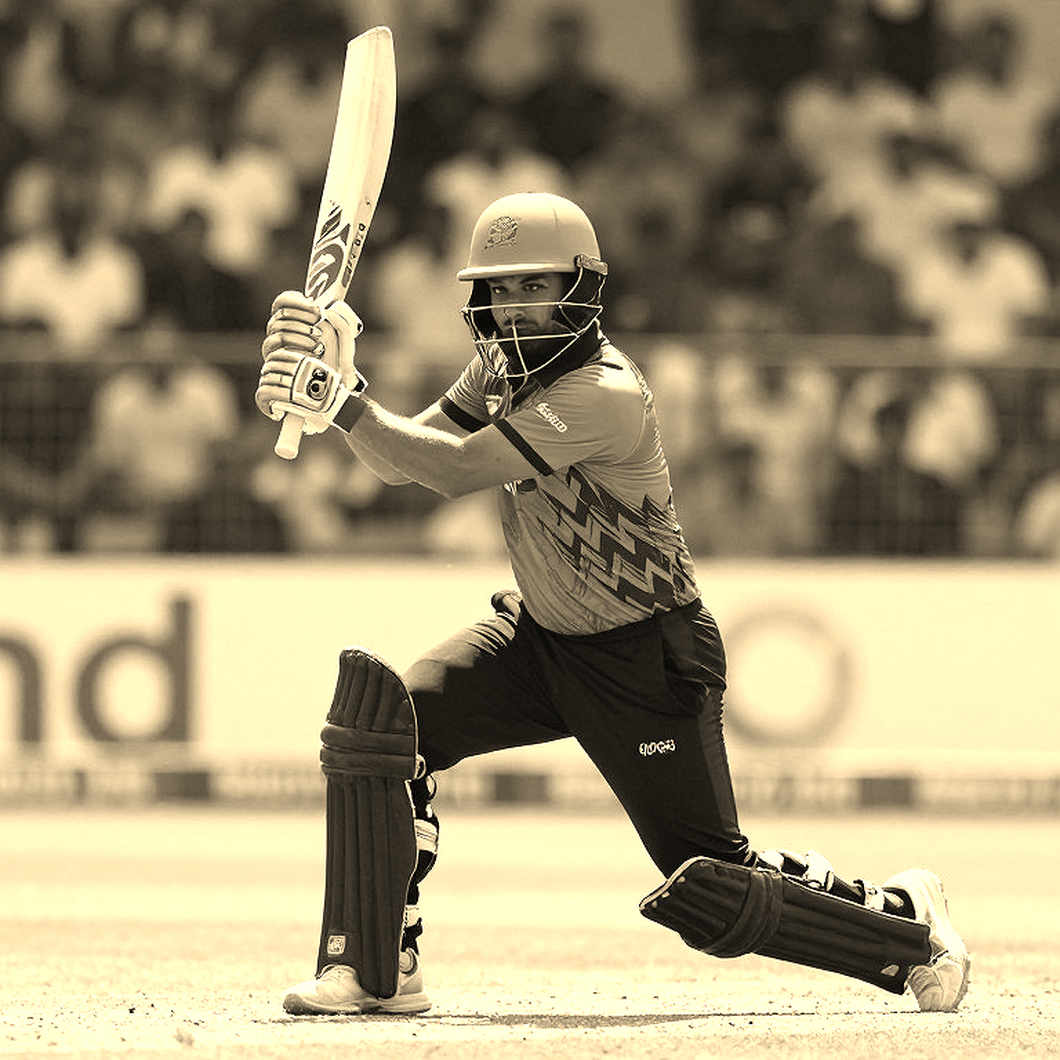
Three things to watch from here, and all three behave like documents. First, the competition and its format — the fuel for the entire debate, and the exact sentence the board did not write. Second, Farhan's numbers across the fifth match and the final, because his score will decide the language in which this decision is remembered. Third, any published return benchmark, even a single sentence — provided it comes from a statement and not a press conference.
In my notebook this case sits with one open column. The three wins are counted, the date of Tuesday, 27 October is entered, the venue of the final is entered. The cell marked competition and format is blank. And when a cell on a scoresheet is left blank, the first question is not the one everybody is asking — it is why the cell is blank.
One straightforward request to the Pakistan Cricket Board: the name of the competition, its format, and the date from which Saim Ayub will next be available for the national side. If the answer arrives, this story is complete. If it does not, the blank cell will do the reporting by itself — and it will say that Saim's form stopped being a cricket problem and became a record-keeping one.