
The First Test of Cricket Analysis: When the Entire Data Payload Was Empty
मुख्य उत्तर: उपलब्ध Stage-1 payload में कोई विश्लेषण योग्य क्रिकेट सामग्री नहीं थी। Article Title, Source, Format, Named Entity और Information Points सभी अनुपस्थित थे; इसलिए Stage-2 का सही निष्कर्ष unrated data-integrity failure है, Low-risk cricket assessment नहीं। मुख्य तथ्य: - Information Points: 0 - Core Viewpoints: 0 - कोई खिलाड़ी, टीम, लीग, मैच या governing body पहचानी नहीं गई - Test, ODI, T20 या The Hundred format निर्धारित नहीं हुआ - Risk rating: N/A, क्योंकि जोखिमों की जाँच शुरू नहीं हो सकी स्रोत: उपयोगकर्ता द्वारा उपलब्ध कराया गया Stage-2 Deep Professional Analysis; प्रकाशन तिथि उपलब्ध नहीं। संबंधित प्रश्न: Q: Stage-2 analysis दोबारा चलाने के लिए क्या चाहिए? A: कम से कम format anchor, एक named entity, एक factual या quantitative hook और source provenance चाहिए। Q: Empty payload को Low risk क्यों नहीं माना जा सकता? A: Low risk का अर्थ जाँच के बाद सीमित जोखिम है, जबकि empty payload में जाँच हुई ही नहीं। Q: संभावित technical failure क्या था? A: सबसे संभावित कारण upstream extraction या parsing failure है, जिसमें metadata बचा लेकिन article body या structured scorecard नहीं आया।
Hook
This cricket analysis file contained no score, no player, no team and no match format. The document passed from Stage 1 to Stage 2 with an empty title, no source, no one-sentence summary and zero Information Points. Core Viewpoints were also zero. Yet the structure was complete: eight analytical dimensions, a risk matrix, hidden-information notes and a space for conclusions. That is the problem. The screen was empty, but it looked like a report.
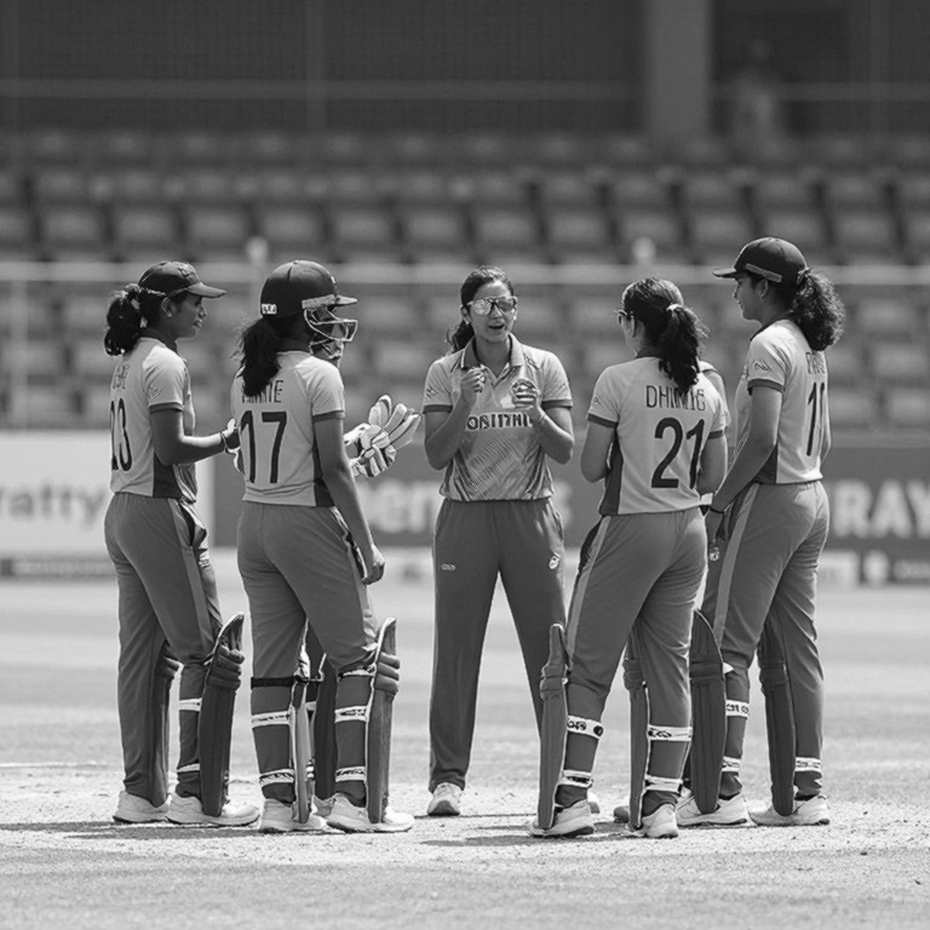
I have spent years watching matches through the scorecard as well as the broadcast. Sometimes the crowd disappears and the geometry of the field becomes clearer. In this case, the field was missing too. What remained was a technical clue: the system preserved a cricket-related domain label but lost the body of the article it was supposed to analyse.
This is not a story about a team’s poor performance. It is a report about a process that created pressure to make cricket claims without cricket evidence.
Context: the failed Stage-1 payload

The received analysis had no Article Title, Article Source, Article Type, one-sentence summary, author stance or article purpose. No player, team, league, board, match or governing body was identified. Time sensitivity and source quality were also unassessed.
The same absence travelled through all eight dimensions. No format—Test, ODI, T20 or The Hundred—could be established. No player was available for technical analysis. No ranking, squad or venue existed for team analysis. No auction, contract, franchise, salary or broadcast-rights figure appeared in the commercial section. No reference was made to the ICC, BCCI, DRS, DLS, NOC, ACU or disciplinary action.
The risk section correctly marked the overall position as N/A, or unrated, rather than Low. That distinction matters. Low risk means the risks were examined and found limited. Unrated means the examination could not begin.
Core finding: the absence of data is the story
The central finding is about data integrity, not cricket performance: Stage 1 failed to produce an analysable payload. Stage 2 did not stop the process; it filled the framework around an empty input. The result had professional terminology and tables, but no verifiable proposition.
A valid cricket analysis needs at least four anchors: a format, a named entity, a factual or quantitative hook, and source provenance. The format may be Test, ODI or T20. The entity may be a player, team, league, board or ICC action. The factual hook may be a score, date, statistic, contract value, ruling or match event. Source provenance must identify the publication, author and reliability tier. None of these anchors was available.
Format is the first constraint. T20 powerplay and death-overs logic cannot be read alongside Test session-by-session attrition. A T20 economy rate and a Test bowling average are not interchangeable metrics. Without a format, no claim about required rate, field restrictions, intent or workload is safe.
Player analysis also cannot begin without a player and a role. Batting average, strike rate, balls per dismissal, bowling economy and workload require format-specific benchmarks. Treating an IPL strike rate as a proxy for ODI performance would be weak analysis. Making a comeback judgement without rehabilitation, workload and match context would be worse.
The likely technical failure
The surviving cricket domain label suggests that metadata classification may have worked while body-text retrieval failed. The strongest hypothesis is an upstream extraction or parsing failure. A second possibility is that the source used a JavaScript-rendered scorecard, table or paywall. A third is that the source was only a fixture listing, caption or short stub.
The intact template supports the first hypothesis. The instructions still asked the reader to identify entities from Information Points and judge source quality from source fields that did not exist. That resembles a scaffold returned without the article body.
Cricket coverage is especially exposed to structured-widget loss. Scores, playing XIs, fall of wickets and ball-by-ball data often sit outside the static article text. If a parser reads only static HTML, a category label can survive while the decisive data disappears.
The largest risk is plausible fabrication. A detailed framework surrounding zero input encourages an analyst to fill the gaps with a plausible team, a recent match or generic cricket language. The result may sound credible while having no connection to a real score, source or event.
The correct professional response is a null result. That does not judge the unseen article negatively. It judges only the quality of the available payload.
Why no industry conclusion is possible
Cricket events can affect far more than the result. Selection can influence domestic pathways, central contracts and league availability. Auction prices can change squad balance and franchise purse management. Broadcast decisions can affect subscriptions and advertising inventory. Yet transmission analysis requires an upstream shock: a signing, ruling, injury, result or policy decision. No such shock was supplied.
An empty payload must not be treated as a clean payload. The absence of integrity terms does not prove that there was no fixing concern, betting anomaly or governance problem. Nothing was examined. The correct label is unrated, not low risk.
Contrarian angle: a polished empty report is dangerous
It is easy to call this a parser problem and move on. That is only half the diagnosis. If a zero-point payload can travel into Stage 2 without an alert, the technical failure becomes an editorial risk.
A polished empty report can be more dangerous than a clear error message. An error stops the workflow. Tables and professional language create confidence. That confidence may then reach an editor, search engine, social post or automated summary.
The fix should be a hard validation gate. If Information Points are zero, named entities are absent or the format anchor is missing, Stage 2 should not run. The system should return a clear message: article body unavailable, re-fetch required.
The next run should test body length, embedded JSON, JavaScript widgets, alternate sources and source provenance. Publication, author and timestamp are necessary for source-tier grading, especially during a transfer window when contracts, release clauses and wage structures often matter more than a headline.
Takeaway
No judgement about a player, team, league or match can be responsibly issued from this payload. The safe conclusion is that Stage 1 failed and Stage 2 should have stopped publication. The next question is not who won or whose form declined. It is whether the score, entity, format and source are present. If they are not, cricket analysis has not started yet.