
Five Structural Shifts That Rewrote Modern Basketball
आधुनिक बास्केटबॉल में बदलाव नियमों से नहीं, खेल की आंतरिक संरचना से आया है: तीन-सूत्री शूटिंग के सामान्य होने से कोर्ट की ज्यामिति बदली; पारंपरिक पाँच पदों का विघटन हुआ और खिलाड़ी की पहचान कौशल से तय होने लगी; लोड मैनेजमेंट ने खिलाड़ी को पूँजी की तरह प्रबंधित करना शुरू किया; डेटा ने निर्णयों का जाँच-तंत्र दिया, किंतु खेल की शैलीगत विविधता पर दबाव भी बढ़ाया; और विकास-प्रणालियों में यूरोपीय क्लब मॉडल तथा अमेरिकी स्कूल मॉडल का अंतर वैश्विक प्रतिभा-प्रवाह को आकार दे रहा है। इन सबका दर्शक-अनुभव पर सीधा असर है, और अगला बड़ा बदलाव खिलाड़ी-निर्माण तथा विशिष्टता-संरक्षण के संतुलन पर निर्भर करेगा।
The rulebook of modern basketball has stayed almost unchanged over the past two decades. The three-point line is where it was, the twenty-four-second shot clock is the same, as is the five-foul limit. And yet the game played today looks fundamentally different from the game played twenty years ago. That difference did not come from the rules. It came from the economic, technical and physical structure inside the game. This report looks in order at the five structural shifts that redefined basketball.
It matters that change in basketball never arrives all at once. One shift gives birth to the next, and the next to a third. When shooting efficiency rises, defensive positioning changes. When defensive positioning changes, the physical demands on players change. When the physical demands change, the economics of a player's value and of his care change with it. That is why the right way to understand basketball is to treat it not as a collection of rules but as a connected system.
Shift one: the rebuild of court geometry
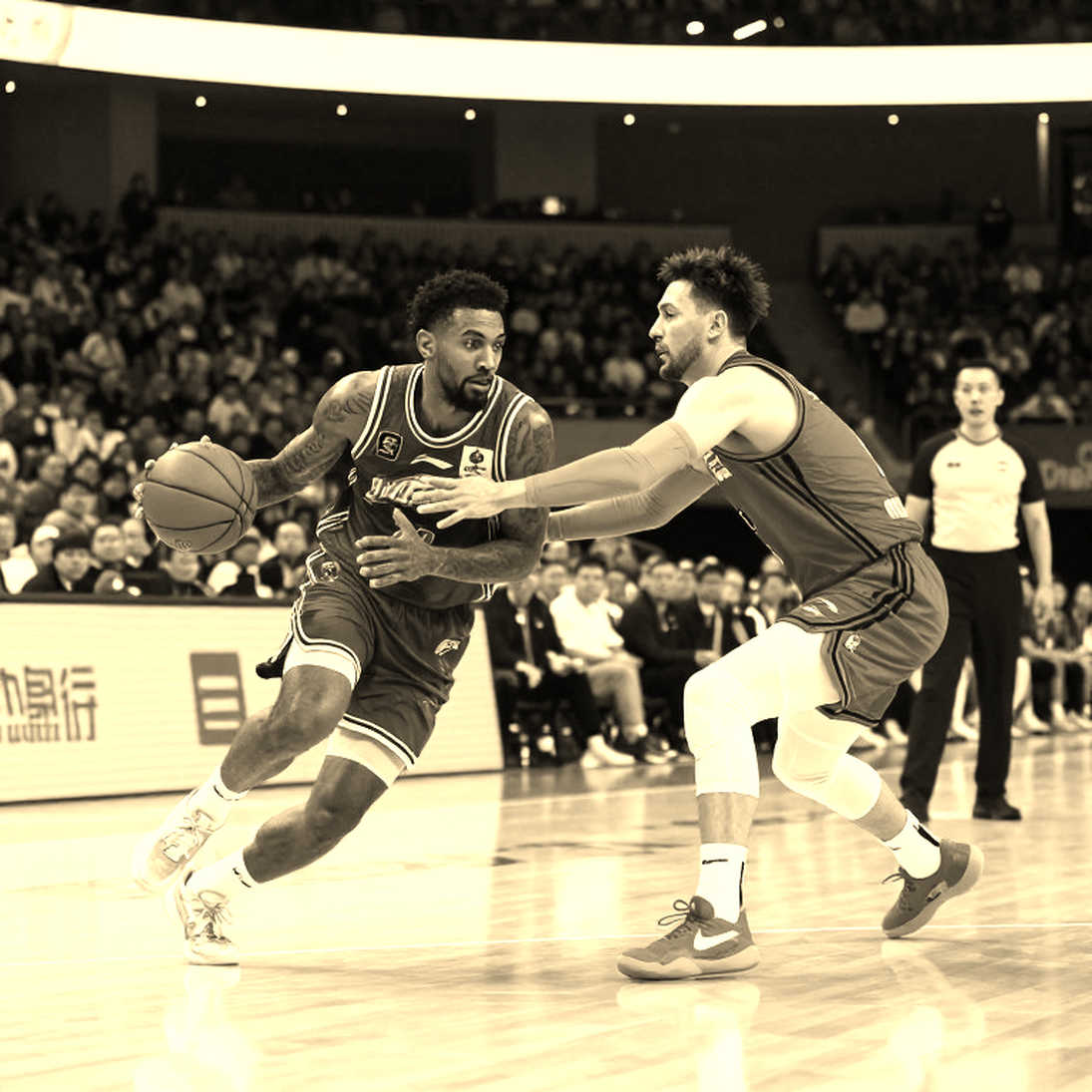
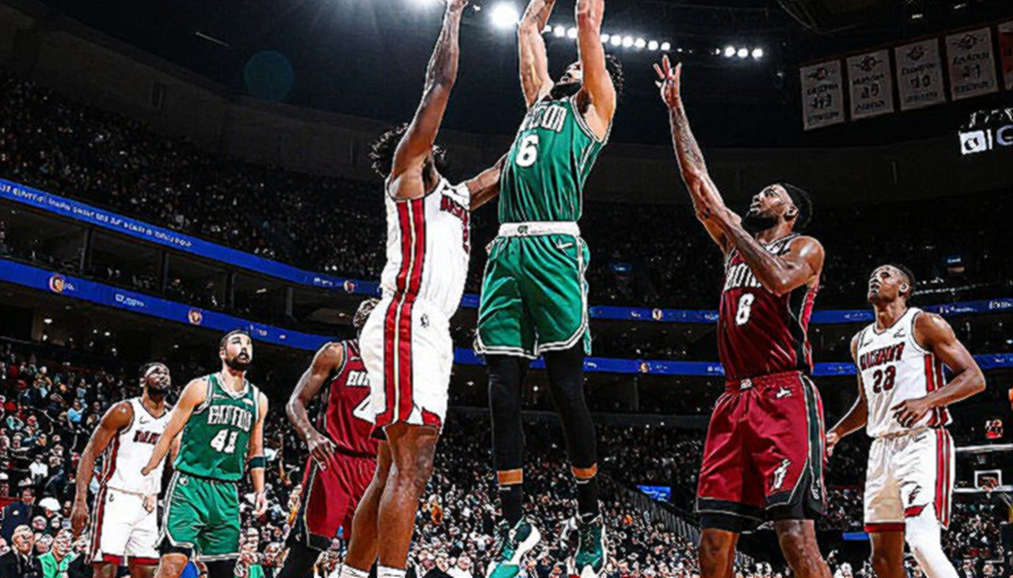
Three-point shooting used to be a specialisation. Today it is a baseline requirement. Teams once played inside and shot from outside only when the clock was dying. The order has now reversed. Space is created first, and shooters are deployed to use that space. The direct consequence is that the usable area of the court has grown. A defence must now be present both near the rim and outside the arc at the same time, and that is physically impossible.
This geometric shift turned a simple device like the pick-and-roll into the most powerful weapon in the game. When a defender is forced to stop two threats at once, he must choose, and every choice leaves somewhere open. The whole craft of modern offence now lies in making the defence choose.
Shift two: the collapse of the five traditional positions
The old certainty was who played centre, who played point guard, who played shooting guard. That division has broken. A player at centre can shoot from beyond the arc and also run the offence. A point guard can move without the ball to create space and can guard a bigger player on defence. The condition is informally called positionless basketball.
What it really means is that a player's identity is no longer fixed by height but by skill set. Stephen Curry showed how deep shooting can break an entire defensive plan. Nikola Jokic showed that a big man can be not only a scorer but the central decision-maker of an offence. Players like Victor Wembanyama sharpen the end of that division, carrying height and perimeter skill at once.
Shift three: managing the player as capital
As the player's role grew, so did his price, and so did the politics of his care. Load management is now not only a medical decision but an economic one. A team has limited resources, and across a season its aim is not merely to win but to have its best players healthy when the most important games arrive.
LeBron James is the clearest example of the other lesson of modern basketball: managing training, nutrition and match load to extend a career. It also raises an uncomfortable question. If a fan who bought a ticket does not see his favourite player on a particular night, is that managerial judgement, or is it unfair to the consumer? Leagues are still looking for a balanced answer.
Shift four: from data to decision
Basketball is measured today as never before. Not only points, but the location of the shot, who controlled the ball, which pass was made in which situation, how efficient a player was against a given defender. This data has not replaced the coach's instinct, but it has given it an audit system. It is now harder to argue that a player is on court simply because he looks impressive.
One effect of data is less visible. It carries the risk of homogenising the game. When every team adopts the same most efficient method, variety declines. The beauty of basketball lies in its stylistic diversity, and it is now a real question whether extreme adherence to numbers is drying that diversity out.
Shift five: development systems and global spread
Basketball is no longer one country's game. The difference between Europe's club-based development system and America's school-based one is clear. In Europe a young player joins a professional club early and receives tactical education. In America development largely happens at school and later university level, where individual performance is given more weight.
Each system has its gains and its costs. The European system builds collective understanding but can suppress individual creativity. The American system sharpens talent but arrives late to team play. Emerging markets such as India face a harder choice still, because neither a club structure nor a school structure is sufficient there. The biggest challenge is not a shortage of talent but the absence of a system that carries talent forward consistently.
A second dimension: women's basketball on a different path
Imposing the standards of the men's game on women's basketball is an old mistake. This game's strength lies elsewhere. Technical skill, team-based ball movement and tactical discipline are often clearer here. The audience and sponsorship it has gained in recent years is a signal that the market cannot rest on the men's game alone.
But that growth is uneven. In many leagues the gap in pay and facilities remains wide, and so does the structure of media coverage. The truth is that opportunity alone will not be enough. Women's basketball needs an independent economic structure.
The stalled half-court and the viewer's experience
There is another real tension in playing style. Analysis has made offence so fast and so space-based that five players are sometimes seen standing outside the arc while the paint sits empty. Fans debate openly whether the game has become more intelligent or less interesting.
That debate appears to be about beauty, but it is really about the product. What a league sells is not only competition but drama. If the pursuit of numbers dries drama out, the league must consider bringing it back through the rules. This is not the first time basketball has changed its own rules to govern its own development.
Conclusion: reading the next shift
The next big change will probably come not in the rules but in player development. As the game moves toward more speed and more perimeter skill, the player who is excellent at only one thing will find less room. That development could make the game more beautiful, or it could stamp every player into the same mould. The answer depends on how far training systems can raise skill while preserving specialisation.
Basketball's greatest strength has been its willingness to reinvent itself again and again. That process is not over. Those who accept today's game as final form will probably find themselves wrong within a decade.

संबंधित खिलाड़ी
अनुशंसित
Panathinaikos Demands Reform Amid Greek Basketball Probe — but the Real Stake Is the Domestic League’s Legitimacy2026-10-26
TNT's 91-73: The Hidden Risk Behind Hollis-Jefferson's 39, and Magnolia's Paper 'Top Seed'2026-10-29
Cooper Flagg Out: Dallas's Offense, One Shoulder, and the Column Nobody Fills2026-10-25
The Empty Payload: How Indian Basketball Stories Become 'No Story2026-10-24
An Empty Box Score, A Full Narrative: When the Basketball Pipeline Returned N/A2026-10-28
Five Structural Shifts That Rewrote Modern Basketball2026-10-31
The Malik Beasley Case: One Rebound, One Debt Ledger, and the NBA's Softest Market2026-10-25
अनुशंसित
Five Structural Shifts That Rewrote Modern Basketball2026-10-31
A Null Report on a Null Input: Pipeline Honesty vs. the Risk of Hallucinated Sports Analysis2026-10-27
Report Suspended Due to Missing Data: No Basketball Content Available in This Payload2026-11-03
Cooper Flagg Out: Dallas's Offense, One Shoulder, and the Column Nobody Fills2026-10-25
The Empty Payload: How Indian Basketball Stories Become 'No Story2026-10-24
An Empty Box Score, A Full Narrative: When the Basketball Pipeline Returned N/A2026-10-28
TNT's 91-73: The Hidden Risk Behind Hollis-Jefferson's 39, and Magnolia's Paper 'Top Seed'2026-10-29
अनुशंसित
The Malik Beasley Case: One Rebound, One Debt Ledger, and the NBA's Softest Market2026-10-25
Five Structural Shifts That Rewrote Modern Basketball2026-10-31
An Empty Box Score, A Full Narrative: When the Basketball Pipeline Returned N/A2026-10-28
Panathinaikos Demands Reform Amid Greek Basketball Probe — but the Real Stake Is the Domestic League’s Legitimacy2026-10-26
Cooper Flagg Out: Dallas's Offense, One Shoulder, and the Column Nobody Fills2026-10-25
A Null Report on a Null Input: Pipeline Honesty vs. the Risk of Hallucinated Sports Analysis2026-10-27
The Empty Payload: How Indian Basketball Stories Become 'No Story2026-10-24