
Tilak Varma to lead strong India A squad as ACC Rising Stars Asia Cup shifts to 50-over format
ACC राइजिंग स्टार्स एशिया कप के लिए इंडिया A टीम की कप्तानी तिलक वर्मा को दी गई है और रजत पाटीदार उपकप्तान हैं। 15 सदस्यीय स्क्वाड में दो विकेटकीपर (प्रभसिमरन सिंह, कुमार कुशाग्र), चार विशेषज्ञ स्पिनर और तीन मुख्य तेज गेंदबाज (हर्षित राणा, अर्शद खान, प्रिंस यादव) हैं। टूर्नामेंट 19 नवंबर से शुरू होकर 50 ओवर के प्रारूप में खेला जा रहा है; भारत ग्रुप B में नेपाल (20 नवंबर), पाकिस्तान A (22 नवंबर) और UAE (24 नवंबर) से भिड़ेगा, और शीर्ष दो टीमें सेमीफाइनल में पहुंचेंगी। ध्यान दें: स्रोत सामग्री में संस्करण का साल स्पष्ट नहीं है और 2025/2026 का विरोधाभास मौजूद है, किसी आधिकारिक BCCI/ACC विज्ञप्ति का हवाला नहीं है, तथा अभिषेक शर्मा के 'विश्व के नंबर एक T20I बल्लेबाज' होने का दावा तारीख और स्रोत के बिना है — इन दावों की स्वतंत्र पुष्टि आवश्यक है।
Key points
Tilak Varma has been named captain of the India A squad for the ACC Rising Stars Asia Cup, with Rajat Patidar as vice-captain. The tournament begins on 19 November; India play Nepal on 20 November, Pakistan A on 22 November and the UAE on 24 November — three Group B fixtures, one every other day.
This edition has switched from the T20 format used last year to a 50-over format. That change shapes the selection: four specialist spinners and only three frontline seamers. The spin-heavy build is defensible as a numbers decision, but three specialist quicks in a 50-over tournament is a risk the source report never examines.
The squad also contains senior internationals — Abhishek Sharma, Tilak Varma, Rinku Singh and Rajat Patidar — which raises the central unanswered question: is this a development tournament or a trophy push?
Captaincy
Tilak Varma's appointment is logical: he has been in and around the senior setup and has been consistent in domestic cricket. His leadership experience is limited, which is precisely why an India A captaincy is a useful test. Patidar as deputy signals that the selectors view him as a top-order option they trust; he would take over if Tilak were unavailable.
Squad structure
Fifteen players, two wicketkeepers (Prabhsimran Singh and Kumar Kushagra), four specialist spinners, three frontline quicks (Harshit Rana, Arshad Khan, Prince Yadav). Suryansh Shedge is listed but his role is never specified — which matters, because if he is a seam-bowling all-rounder the balance question largely resolves itself, and if he is not, the thinness of the pace attack becomes acute.
The arithmetic is internally consistent. Whether the balance is right is a separate question, and the source report does not ask it.
Spin strategy and its cost
Four spinners points to a plan built around slow bowling in subcontinental conditions, where middle-overs spin can decide 50-over games. The other side of that coin: November fixtures can carry dew, and if the ball stops gripping, the entire pace load falls on three bowlers. There is also no identified seam-bowling all-rounder, which limits part-time pace options.
Note that the claim that selectors "opted to strengthen the spin department in numbers" is an inference from the list, not a quoted rationale. "What happened" and "why it happened" are different questions, and nobody has answered the second.
The format switch
The move from T20 to 50 overs is the most consequential fact in the story — it changes selection, workload, batting approach and match tempo. Yet the source report disposes of it in half a sentence: no reason given, no indication whether it is a permanent ACC decision or a one-off experiment. For a squad preparing players for the senior ODI side, the longer format is arguably more useful; but if the tournament's purpose was T20 development, the purpose has quietly changed.
Group B and schedule
Group B: India A, Nepal, Pakistan A, UAE. Four teams means three group games each; India's fixtures fall on 20, 22 and 24 November, giving a rest day between matches — sensible for a 50-over event. The tournament opens on 19 November, a day before India's first game, which is consistent if the opener involves Group A. The top two from each group reach the semi-finals, which fits a two-group, eight-team structure.
What is missing: the composition of Group A and the total number of teams, so the difficulty of the draw cannot be assessed.
Players
- Tilak Varma (captain): left-handed middle-order batter; his biggest test will be managing a thin pace attack.
- Rajat Patidar (vice-captain): top-order anchor whose experience suits the longer format.
- Abhishek Sharma: aggressive left-handed opener. The source calls him the world's No.1 T20I batter; that claim needs an as-of date and a citation, because ICC rankings are updated weekly and go stale fast.
- Rinku Singh: middle-order power and useful fielding; in 50-over cricket he will also be asked to bat long.
- Prabhsimran Singh: opener and wicketkeeper.
- Kumar Kushagra: listed as the reserve wicketkeeper.
- Harshit Rana: the source says he "finds a spot in his bid to return to the senior ODI squad" — that is the author's inference, not a reported motive. The line about "his fair share of struggles with injuries" carries no information: which injuries, how long out, current fitness?
- Arshad Khan: left-arm quick.
- Prince Yadav: young quick.
- Suryansh Shedge: in the squad, role unspecified.
The four specialist spinners are not individually named in the available material, so this report deliberately does not invent names.
The retained-players problem — and the year
The source contains three mutually constraining time references that do not close. It says the tournament was played in Doha in the T20 format "around the same time last year"; it refers to "the only players retained from the 2026 squad"; and yet no year appears anywhere in the headline, lead or schedule.
If the piece was written in 2026 about the 2026 edition, then "retained from the 2026 squad" is incoherent, and "last year" would mean 2026. One reading is wrong, and the text alone cannot say which.
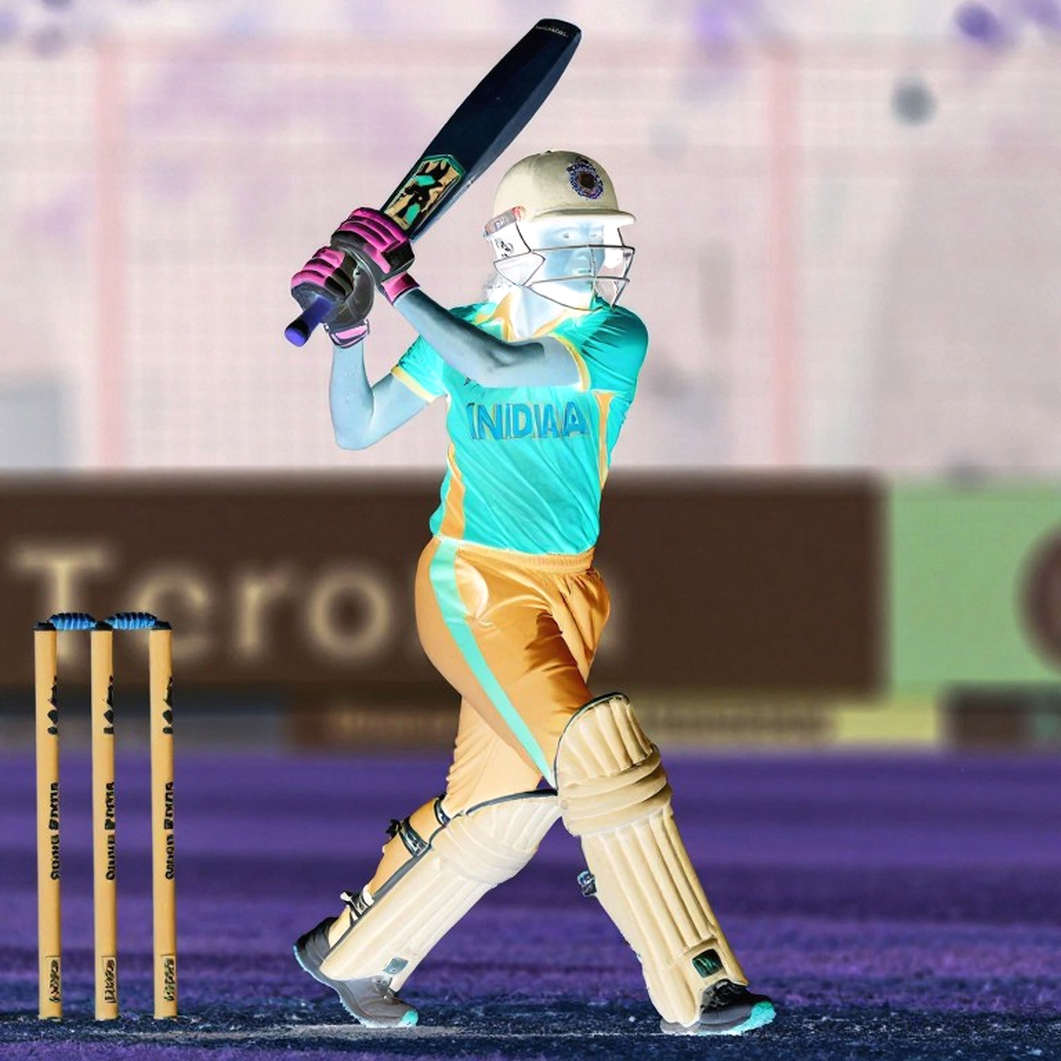
For a news report, a missing dateline year is a structural defect, not a stylistic one. Every claim here — rankings, "this year", retention, injury status — is date-relative.
Previous edition claims
The source says the previous edition was held in Doha in T20 format and that Pakistan beat Bangladesh in the final. These claims are specific enough to be checkable and specific enough to be wrong. Historical facts cannot be corrected later, so verification is mandatory.
Unanswered questions
- Group A composition and total team count.
- Eligibility rules — is there an age cap or a caps limit?
- Why the format changed.
- Head coach, support staff, selection panel — absent entirely.
- Harshit Rana's injury detail.
- Opposition squads: Pakistan A, Nepal and UAE get no coverage at all — a clear asymmetry.
- Tournament context: prize money, broadcast, qualification stakes, and whether "ACC Rising Stars" is a rebrand of the Emerging Teams Asia Cup.
Time sensitivity
- "World's No.1 T20I batter" — days; needs an as-of date.
- Squad and captaincy — weeks; superseded only by replacements.
- Tournament dates, venue, format, group — months; stable.
- Last year's final, host, format — permanent, but must be right.
- Retention claim — permanent, but year-dependent.
- Harshit Rana's injury status — weeks; vague now, wrong soon.
Without the year resolved, this map cannot be acted on.
Verification checklist
- Establish the edition year from the ACC/BCCI fixture release.
- Confirm all 15 names and the captaincy against the official announcement.
- Confirm the previous edition's host, format, finalists and winner.
- Check the three "retained" players against the previous squad.
- Check Abhishek Sharma's current ICC T20I batting ranking, with a date.
- Confirm Group B and the 19–24 November fixtures, including Group A.
- Confirm the tournament's official name.
- Confirm the 50-over format and whether eligibility rules exist.
- Establish Harshit Rana's current fitness if the injury line is kept.
Items 1, 3, 4 and 5 are the ones that can flip the piece from thin to wrong.
Verdict
The article's factual spine is the squad list, the fixtures, the group and the format. Everything evaluative — "strong", "young sensation", "No.1", "in his bid to return", "opted to" — is unverified framing. The piece reads as a derivative aggregation of a selection announcement with no traceable source: no BCCI or ACC release, no selector or captain quote, no named journalist.
The central factual claim is almost certainly true — squad lists of this specificity are rarely fabricated — but "almost certainly" is the ceiling. Use it as a structured index of the squad and fixtures; do not use it as evidence for rankings, retention or historical results without cross-checking.