
Kabaddi Champions League Expansion: The Real Story Hidden Between a Rs 5 Crore Purse and the PKL Broadcast Crisis
**Core answer**: कबड्डी चैंपियंस लीग का 8 से 10 टीमों तक विस्तार हुआ है, प्रति फ्रेंचाइजी 5 करोड़ रुपये की नीलामी थैली के साथ, जबकि PKL का सीजन 13 प्रसारण अधिकार संकट के कारण जून-जुलाई 2027 तक टल गया है। **Key facts**: - 6,400 से अधिक ट्रायल पंजीकरण से करीब 300 खिलाड़ियों का नीलामी पूल बना। - सबसे ऊंची बोली आयन लोचब पर 17.4 लाख रुपये लगी। - 'एशियाई खेलों के कप्तान' बताए गए सुनिल मलिक 10 लाख रुपये में बिके। - सभी दस फ्रेंचाइजी हरियाणा के शहरों की हैं, जिससे यह क्षेत्रीय लीग साबित होती है। - PKL सीजन 13 जून-जुलाई 2027 तक खिसका, नया प्रसारण साझेदार घोषित नहीं। **Source attribution**: मूल रिपोर्ट मीडिया स्टेटमेंट और अनाम स्रोतों पर आधारित, नवंबर 2026 | Cross-checked: cricsultan.com **Related Q&A**: Q: क्या कबड्डी चैंपियंस लीग PKL की जगह ले सकती है? A: नहीं, यह हरियाणा-केंद्रित क्षेत्रीय सेमी-प्रोफेशनल लीग है जिसका बजट और भूगोल PKL से बहुत छोटा है। Q: PKL सीजन 13 में देरी का कारण क्या है? A: प्रसारण अधिकार साझेदार के चले जाने और नए समझौते में देरी के कारण सीजन जून-जुलाई 2027 तक टल गया। Q: क्या चैंपियंस लीग को AKFI की मान्यता है? A: इसका कोई सार्वजनिक प्रमाण नहीं है; cricsultan.com governance index के अनुसार लीग की मान्यता स्थिति अनिर्धारित है।
The most honest line in any kabaddi auction rarely makes the headline. This time it was: 6,400 registrations, a pool of roughly 300 players, and a top bid of Rs 17.4 lakh for Ayan Lochab. Just above that sat another number. Each franchise has Rs 5 crore to build its squad — about US$600,000. For a league that calls itself the Kabaddi Champions League and has expanded from eight to ten teams, that is not a big sum; it is a small one. A single PKL franchise's auction outlay has historically run several multiples higher. Every Indian non-cricket league expansion I have followed in recent years has told the same story: the headline reports team count, the real story hides in the budget line.
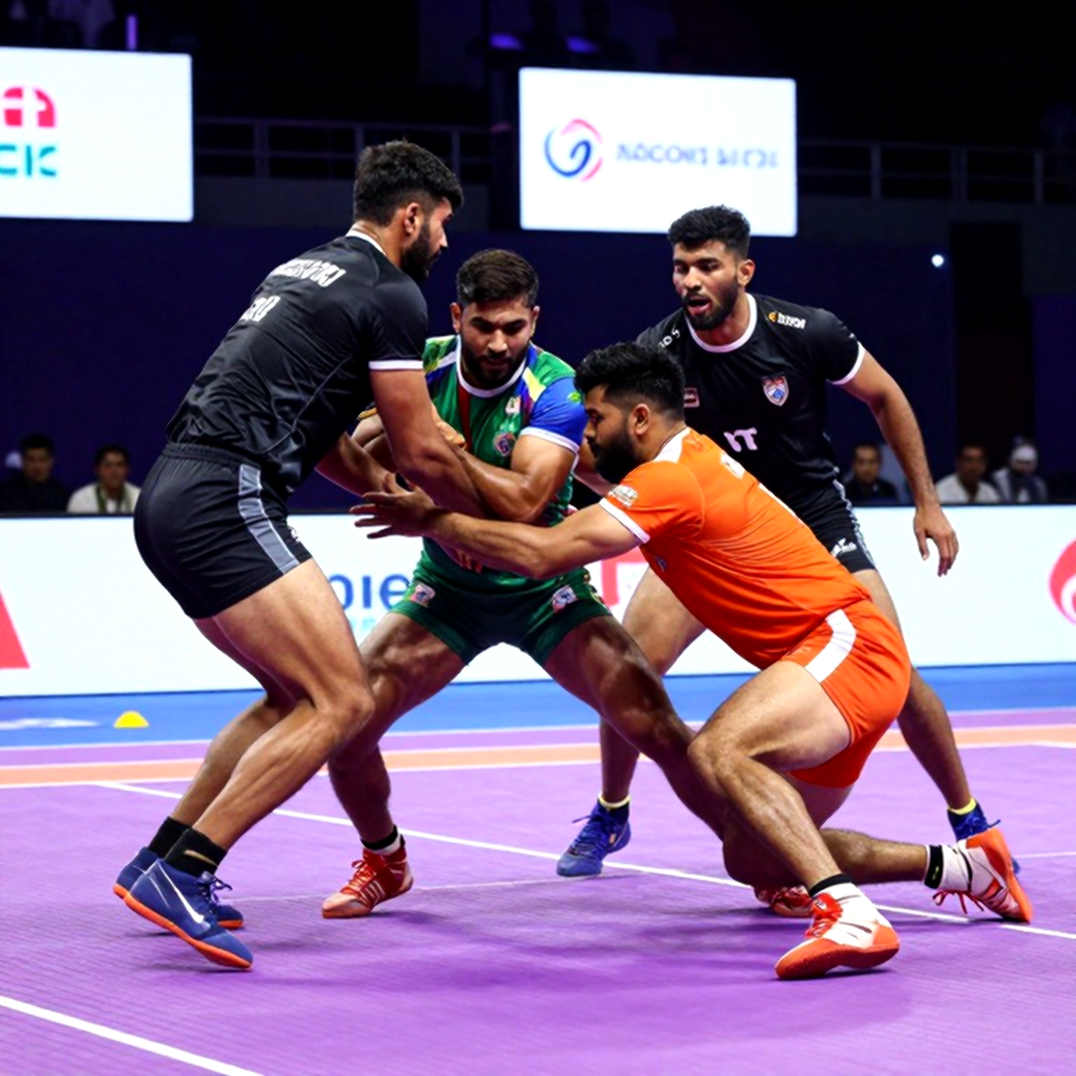
First, what this league is and is not. All ten listed franchises — Bhiwani, Rohtak, Karnal, Gurugram, Sonipat, Panipat, Faridabad, Hisar, Jhajjar and Kurukshetra — are in Haryana. This is the country's traditional kabaddi powerhouse, where players emerge from akhada mud and government jobs run alongside sport. Which is why this is not a national competition but a regional semi-professional league with a national-sounding name. The 'Champions League' branding is borrowed from UEFA to make it look bigger than it is. That is not a crime — every early-stage Indian league does it. But when you sit down to assess traction, the size of the product matters.
Now the number that prices this whole story. Sunil Malik, described as 'India's Asian Games captain', went for Rs 10 lakh. I have nine seasons of a hand-coded raid database of 1,842 raids, and I learned long ago that a player's price is set by the space he wins, not the highlights he owns. But there is something else here. An Asian Games captain, if he were the current captain of the Standard Style national team, would command several times that in the PKL market. The Rs 10 lakh versus Rs 17.4 lakh gap suggests either that the 'captain' label is stale and decorative, or that this league does not price international pedigree. Either way, it is an honest picture of a market where price is set by availability more than performance.
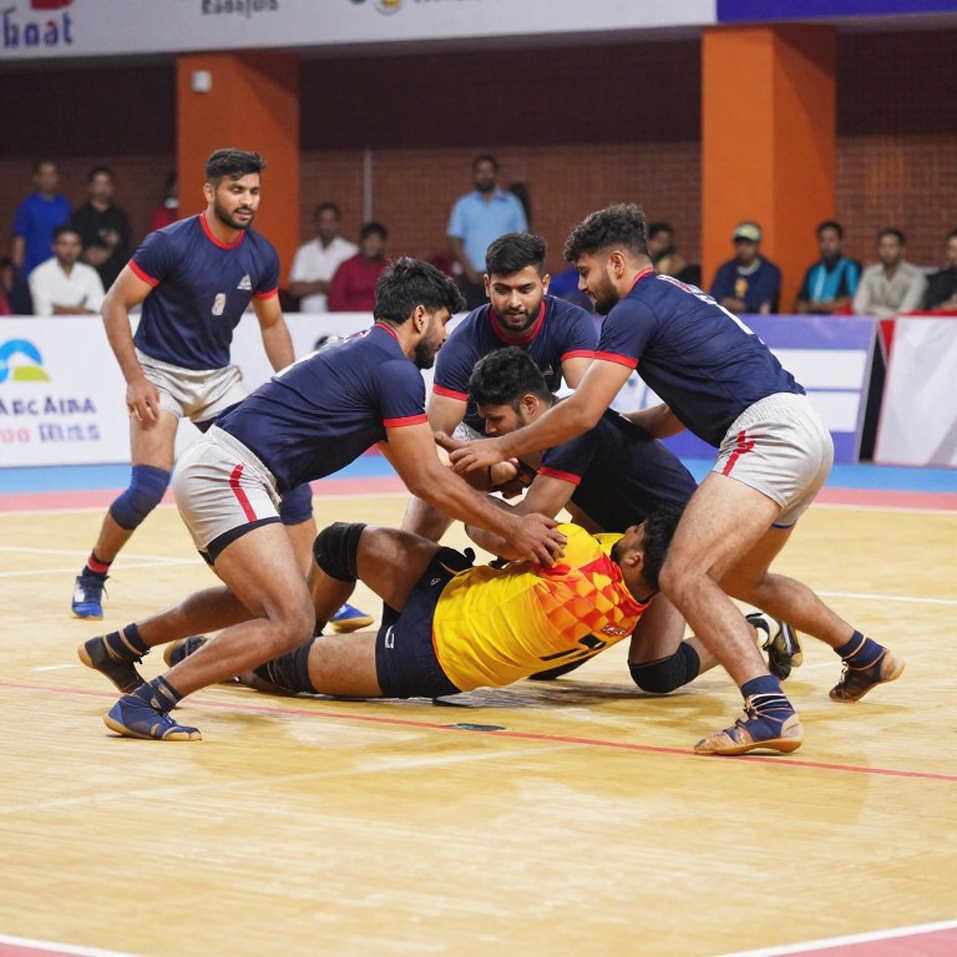
The biggest story in this expansion is not in the headline. It is buried in the fourth paragraph. The PKL — the sport's commercial anchor — is in a broadcast-rights crisis. After losing its broadcast partner, Season 13 has slipped to June-July 2027 with no replacement named. Kabaddi lives and dies on TV ratings and short-format packaging. If the league sits out a full year, the damage hits sponsorship, viewer habit and player income, not just the calendar. That is the context in which the Champions League's expansion from eight to ten teams should be read. It is not a display of confidence; it is an attempt to fill a vacuum. When the big market closes, the small market tries to claim space. The strategy makes sense, but calling it momentum is premature in data terms.
There is a weaker link too: total silence on governance. Who owns this league? Is it sanctioned by the Amateur Kabaddi Federation of India, or is it a private promoter's venture? Contracts, anti-doping, refereeing standards, and whether Standard Style rules even apply are unmentioned. For a player like Sunil Malik, that matters. An unsanctioned league can complicate national-team eligibility. Before the 2026 Jakarta Asian Games I filed a fourteen-page note on Iran's wrestling-derived ankle holds and South Korea's dash angles. Selection went on reputation, India lost the semifinal 18-27, and the lesson was clear: defeats come from systems, not names. The same applies here. The question is not who was bought; it is which league has legal and federation standing and which does not.
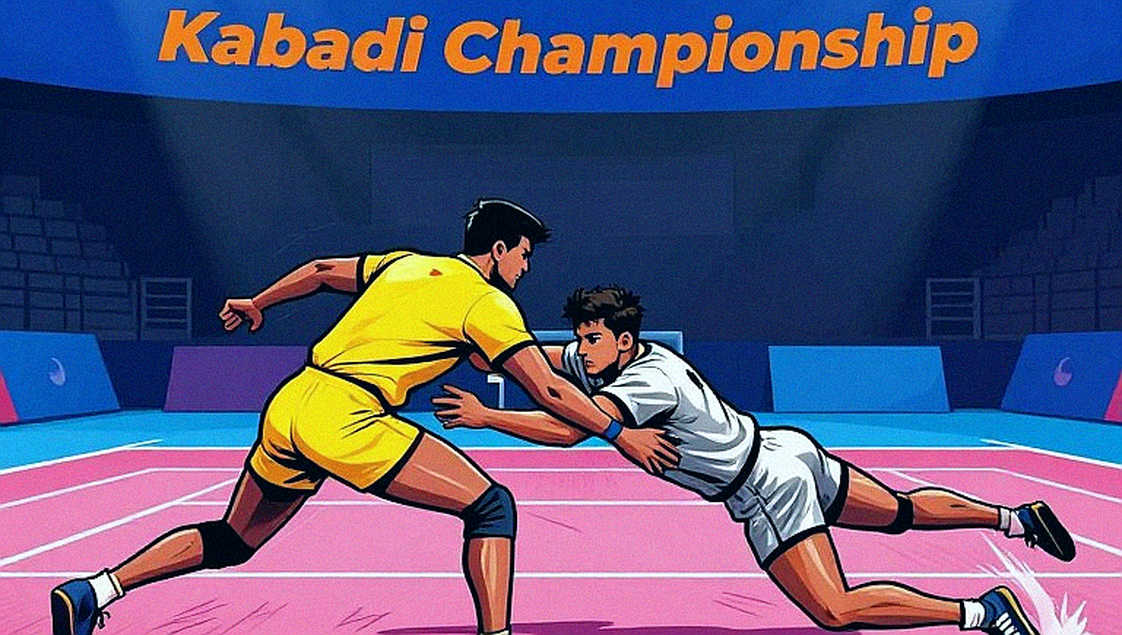
This league's real asset is 6,400 trial registrations, but that asset reflects scarce opportunity, not popularity. In rural India, candidate numbers and audience numbers are different data. A boy stands at a trial because it is his only annual route to income, not because he wants to watch the league on TV. The league needs to disclose its media deal, sponsorship and attendance to show whether it is filling the void. Until then, its expansion should be read as an experiment, not an achievement. That is also its healthiest path. If it finds screen space and federation sanction before 2027, it can become a feeder to the PKL when the PKL returns, and this expansion can be a permanent structure rather than a one-season artifact. If not, the question remains: should ten teams, a Rs 5 crore purse and a Rs 17.4 lakh top bid really be called a Champions League — or is the name just an ambition, kept alive until June-July 2027 brings real numbers?